Digital Wayfinding vs Static Signs:
What Building Owners Need to Know for 2026
Navigating large complex buildings—whether it’s a hospital, a university campus, or a mixed-use development—can be frustrating for visitors. “Where is the lift?” “How do I get to the clinic?” For facility managers, answering these questions takes up valuable staff time. In 2026, the shift from static signage to digital wayfinding solutions is becoming a necessity for efficient property management in Singapore.
The Problem with Static Signage
Static signs are rigid. If a tenant moves, a department relocates, or a wing is closed for renovation, your signage becomes obsolete immediately. Replacing physical signs is expensive, labor-intensive, and often results in mismatched aesthetics over time.
The Digital Advantage: Flexibility and Data
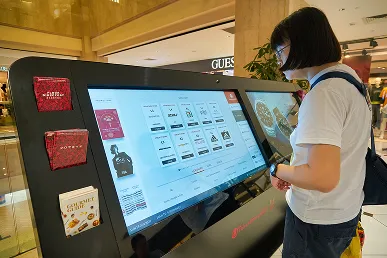
Interactive kiosks offer a self-service solution that empowers visitors. They provide step-by-step directions (often with QR codes to take the map on a mobile phone) and can support multiple languages—crucial for Singapore’s multicultural environment. But the hidden benefit for building owners is data. Digital kiosks track search queries. Are people constantly searching for the restrooms? Is a specific exit hard to find? This analytics data helps you identify bottlenecks in your building’s layout and improve visitor flow.
Low Maintenance, High Reliability
Modern digital signage is built for 24/7 commercial use. With robust enclosures and tempered glass, today’s touch screen kiosks are vandal-resistant and durable. Partnering with a provider like Auronova ensures you have access to local support and maintenance, keeping your wayfinding system online and accurate around the clock.
Don’t let your visitors get lost. Modernize your facility with intelligent wayfinding systems that save time, reduce frustration, and improve operational efficiency.